
Home / Services / Forensic Engineering
Forensic Engineering

Forensic Engineering & Structural Investigations

Find the cause. Understand the significance. Plan the right response.

Cracking, uneven floors, structural movement, water ingress and sudden damage are symptoms. The key engineering questions are what caused the condition, whether the movement or deterioration is active, its structural significance, and what action is required.

RCC Engineers' registered professional engineers undertake independent forensic investigations of building defects, structural damage and performance issues across residential, commercial and industrial properties. Our assessments may include site observations, floor level surveys, crack and movement measurements, review of drainage and surrounding site conditions, available drawings and reports, and consideration of relevant engineering standards and construction requirements.

We provide clear, evidence-based findings on likely causation, structural significance and recommended next steps. Where required, RCC Engineers can continue from investigation through to remedial scope of works, structural design, monitoring and construction-stage engineering support.

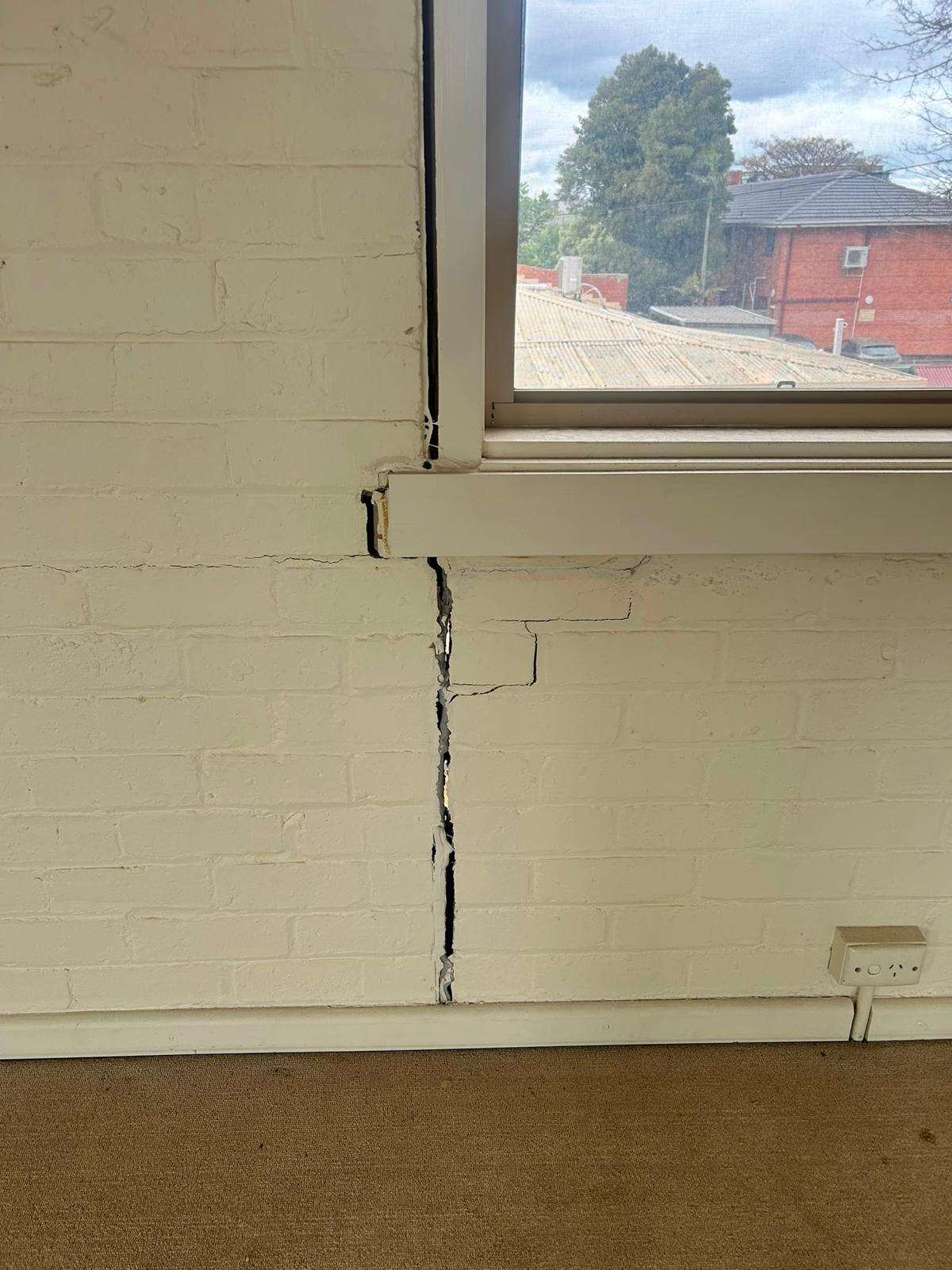
Cracked masonry wall below a window under forensic inspection
Forensic Engineering
SERVICE 01 / 16

Building Defect & Damage Investigations

RCC Engineers investigates building defects and property damage to determine the nature, extent and engineering significance of the observed condition.

The assessment may consider the structural system, visible damage patterns, materials, workmanship, drainage, site conditions, available drawings and relevant construction information to identify likely contributing factors and recommend appropriate next steps.

Forensic Engineering
SERVICE 02 / 16

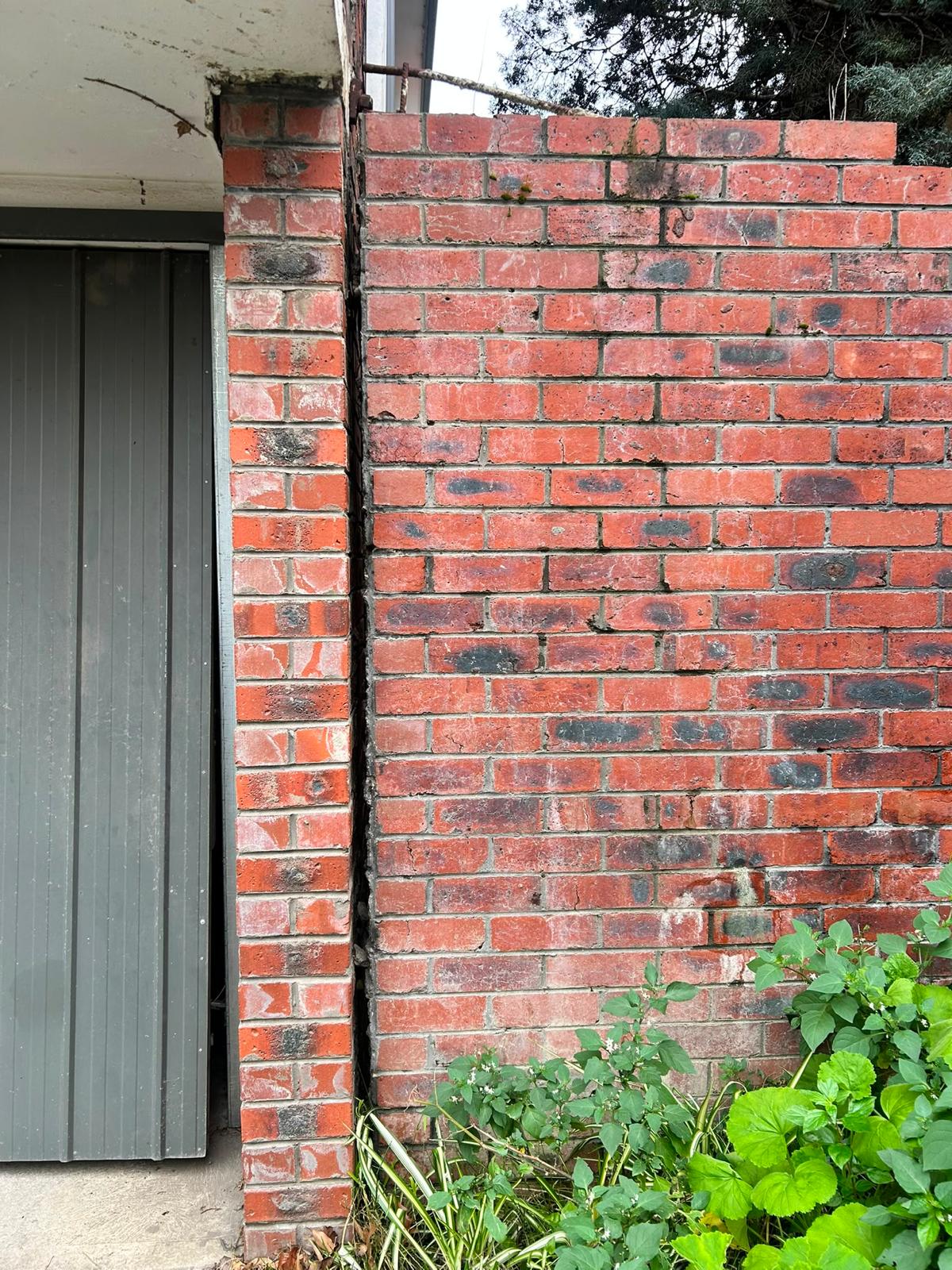
Cracking, Settlement & Structural Movement

Cracking and building movement can result from normal material behaviour, construction detailing, footing movement, changes in ground moisture, drainage conditions, deterioration or structural distress.

RCC Engineers assesses the pattern, location and extent of cracking together with floor levels, wall alignment, site conditions, building construction and available history to determine its engineering significance and likely movement mechanism.

Forensic Engineering
SERVICE 03 / 16

Foundation, Slab & Footing Movement Assessments

RCC Engineers assesses suspected foundation, slab and footing movement where cracking, uneven floors, wall rotation, separation or other indicators suggest differential movement.

The assessment considers the building construction, footing behaviour, site classification where available, floor-level information, drainage, ground moisture, vegetation and surrounding site conditions to identify likely movement mechanisms and contributing factors.

Forensic Engineering
SERVICE 04 / 16

Failure & Causation Investigations

Where structural damage or failure has occurred, RCC Engineers undertakes an evidence-based investigation to assess what happened, why it occurred and the structural significance of the condition.

Site observations, measurements, structural behaviour, available documentation, relevant history and surrounding site conditions are considered together. Where the available evidence is insufficient, further testing, opening-up or specialist investigation may be recommended before a reliable causation opinion is formed.

Forensic Engineering
SERVICE 05 / 16

Insurance Claim & Property Damage Assessments

RCC Engineers provides independent engineering assessments for property damage and insurance matters.

Depending on the engagement, the report may address the observed damage, structural significance, likely causation and contributing factors, recommended further investigation and appropriate remedial measures.

Forensic Engineering
SERVICE 07 / 16

Storm, Flood, Fire, Impact & Accidental Damage

RCC Engineers undertakes forensic engineering assessments following storm and wind events, flooding, pipe bursts, fire, vehicle impact, tree impact and other accidental property damage.

The investigation may consider affected structural elements and load paths, the nature and extent of damage, immediate safety implications and the need for further investigation, temporary support, repair or structural design. Where relevant, the likely relationship between the reported event and the observed damage can also be assessed.

Forensic Engineering
SERVICE 08 / 16

Tree, Soil & Reactive-Ground Movement Assessments

Changes in ground moisture can affect footing and foundation performance, particularly on reactive soils.

RCC Engineers considers potential influences including nearby vegetation, leaking services, inadequate stormwater disposal, poor surface drainage, altered site grading and available geotechnical information as part of the overall assessment. Where additional evidence is required, geotechnical, drainage, plumbing or arboricultural investigation may be recommended.

Forensic Engineering
SERVICE 09 / 16

Floor-Level, Plumbness & Movement Surveys

Where building movement requires quantification, RCC Engineers can undertake floor-level surveys, wall plumbness checks, crack-width measurements and other dimensional observations.

Measurements are interpreted together with the building construction, visible damage, drainage conditions, site influences and available movement history rather than being considered in isolation.

Forensic Engineering
SERVICE 10 / 16

Retaining Wall, Balcony & Structural Distress Assessments

RCC Engineers assesses retaining walls, balconies and other structural elements where cracking, displacement, leaning, deformation, deterioration or other signs of distress are present.

Depending on the condition and available access, the assessment considers structural loading, support conditions, foundations, drainage, materials, workmanship and construction detailing to identify the likely engineering issue and appropriate response.

Forensic Engineering
SERVICE 11 / 16

Construction Defects, Poor Workmanship & Compliance Reviews

RCC Engineers investigates construction-related defects where concerns exist regarding structural performance, workmanship, detailing or compliance with available engineering documentation.

The assessment may include inspection of accessible construction, review of relevant drawings and documentation, consideration of applicable standards and identification of areas requiring further investigation, rectification or engineering design.

Forensic Engineering
SERVICE 12 / 16

Pre-Purchase Structural & Due-Diligence Inspections

A pre-purchase structural inspection provides an engineer-led assessment of visible structural conditions before a property is purchased.

Depending on the agreed scope and access, the assessment may consider structural cracking, floor movement, walls, footings, roof framing, retaining structures and other visible indicators of structural distress. RCC Engineers provides advice regarding the apparent structural significance of identified conditions, areas requiring further investigation and recommended next steps.

A structural engineering inspection is not a substitute for a general building or timber-pest inspection and remains limited to the agreed engineering scope.

Forensic Engineering
SERVICE 13 / 16

Structural Make-Safe & Safety Assessments

Where building damage raises an immediate structural safety concern, RCC Engineers can assess the visible affected areas and advise on appropriate engineering actions.

Depending on the condition, recommendations may include access restrictions, temporary support, further investigation, removal of unstable elements or permanent structural rectification. Any make-safe advice is based on the accessible conditions observed at the time of inspection.

Forensic Engineering
SERVICE 14 / 16

Building Dispute & Independent Technical Assessments

RCC Engineers provides independent technical assessments for building disputes and construction-related matters.

Depending on the engagement, reports may address the observed condition, structural significance, likely causation, construction issues, recommended investigation and appropriate remedial measures. Where a formal expert report is required for tribunal, court or other proceedings, the engagement should be specifically structured to address the relevant expert-witness requirements and instructions.

Forensic Engineering
SERVICE 15 / 16

Remedial Scope of Works, Repair Design & Rectification Advice

Where investigation identifies a need for rectification, RCC Engineers can progress the matter from assessment through to remedial recommendations, scope of works and structural repair or strengthening design.

Depending on the project, this may include calculations, engineering details, repair documentation and construction-stage engineering support.

Forensic Engineering
SERVICE 16 / 16

Monitoring & Re-Inspection of Building Movement

Where the significance or progression of movement cannot be determined from a single inspection, RCC Engineers can establish an appropriate monitoring and re-inspection strategy.

Repeat crack measurements, floor-level observations, wall-alignment measurements or other relevant indicators can be compared over time to determine whether measurable change is occurring and whether further investigation or rectification is warranted.

How We Investigate

Evidence-led investigation. Clear engineering judgement.

  • Review of available drawings, photographs, previous reports and relevant history
  • Detailed visual inspection and photographic documentation
  • Crack-width measurement and damage mapping
  • Floor-level surveys where movement or differential settlement requires assessment
  • Wall plumbness, alignment and local deformation measurements
  • Review of drainage, surface falls, moisture conditions, vegetation and surrounding site influences
  • Assessment of visible structural load paths, materials and construction where accessible
  • Consideration of applicable NCC provisions, Australian Standards, relevant historical construction requirements and accepted engineering practice
  • Assessment of likely causation, structural significance and contributing factors
  • Recommendations for monitoring, further investigation, make-safe works or remedial engineering where required

Where the available evidence is insufficient to form a reliable opinion, RCC Engineers may recommend further investigation such as plumbing or CCTV testing, geotechnical assessment, material testing, opening-up works or specialist input.

Our Process

Our Forensic Engineering Process

  1. Preliminary ReviewReview property details, photographs, plans, previous reports and issue history; confirm the investigation scope.
  2. Site InvestigationInspect the relevant areas, document observed conditions and undertake appropriate measurements or surveys.
  3. Engineering AssessmentConsider observations, measurements, structural behaviour, history and relevant site conditions to assess significance, likely causation and contributing factors.
  4. Findings & RecommendationsIssue a clear engineering report setting out observations, assessment, conclusions and practical next steps.
  5. Remedial & Monitoring SupportWhere required, assist with monitoring, further investigation, remedial scope, structural design and construction-stage engineering support.

Why RCC Engineers

Trusted. Practical. Experienced.

We deliver practical engineering solutions backed by experience, evidence and Australian Standards.

Registered Professional Engineers

Qualified and registered engineers providing professional engineering services.

Fully Insured

Professional indemnity and public liability insurance for added confidence.

Responsive & Practical

Clear advice, practical solutions and efficient turnaround.

Independent Engineering Advice

Evidence-based assessments focused on the engineering facts.

Australian Standards & Compliance

Engineering designed and assessed against relevant Australian Standards and NCC requirements.

End-to-End Engineering Support

From inspection and assessment through to design, reporting and certification.

Client Testimonials

Verified Reviews on Forensic Engineering

Read how our chartered engineering reports resolved complex building disputes and structural failures.

Common Questions

Frequently Asked Questions

What clients ask most before engaging us on this work. If your question isn’t listed, call us and speak with an engineer.

Engineering assessment should be considered where cracking is increasing, recurring or widespread; where it is associated with uneven floors, sticking doors or windows, wall rotation, separation or other movement indicators; or where there is concern regarding structural performance.

Crack width alone does not determine structural significance. The cracking pattern, building construction, movement history and surrounding site conditions must also be considered.

Where sufficient evidence is available, RCC Engineers can provide an opinion on the likely cause and contributing factors associated with observed damage.

In some matters, additional investigations such as plumbing or drainage testing, geotechnical assessment, material testing or monitoring may be required before a reliable causation opinion can be reached.

Yes. Where relevant to the reported condition, RCC Engineers can undertake floor-level surveys, wall plumbness checks, crack measurements and other dimensional observations to help quantify movement.

Measurements are interpreted together with the building construction, visible damage, drainage, site conditions and available history rather than being considered in isolation.

Yes. Where the investigation identifies a need for structural rectification, RCC Engineers can provide remedial recommendations, scope of works, structural calculations, repair details and construction-stage engineering support as required by the project.

RCC Engineers can prepare independent engineering reports for insurance claims, property damage and building disputes where these matters form part of the agreed engagement.

Where a formal expert report is required for tribunal or court proceedings, this should be identified before engagement so the appropriate scope, instructions and reporting requirements can be established.

An inspection is typically available within 24–48 hours and the report is typically issued within 1–3 business days, subject to location, scope, complexity and availability.

Complex investigations, or matters requiring additional testing or specialist input, may take longer.

RCC Engineers confirms the expected timeframe as part of the proposal and can accommodate urgent matters where project requirements and availability allow.